

Yield farming is a popular method in decentralized finance (DeFi) that allows users to earn rewards by depositing their crypto assets into liquidity pools. Instead of keeping tokens idle in a wallet, users lend or stake them in DeFi protocols to earn yields, incentives, or governance tokens.
In simple words:
Yield farming is a way to earn passive income from your crypto by providing liquidity to DeFi platforms.
It became popular because it offers higher returns compared to traditional banking, and it allows anyone with a crypto wallet to participate—no banks, paperwork, or intermediaries required.
What Is Yield Farming in DeFi
Yield farming operates entirely on smart contracts—self-executing code on blockchains like Ethereum, BNB Chain, Polygon, Avalanche, Arbitrum, and others. These smart contracts handle deposits, withdrawals, rewards, and interest without any third-party involvement.
To participate, users deposit tokens like USDT, USDC, ETH, BNB, or LP tokens into a DeFi protocol. In return, they receive rewards based on the liquidity they provide.
Yield farming is commonly used in:
- Decentralized exchanges (Uniswap, PancakeSwap)
- Lending protocols (Aave, Compound)
- Liquidity aggregators (Yearn, Beefy)
- Stablecoin farms (Curve, Convex)
How Yield Farming Works
Yield farming works through liquidity pools managed by automated market makers (AMMs). Here’s a simple breakdown of the process:
Deposit Crypto into a Liquidity Pool: Users add tokens into liquidity pools (for example, USDT + ETH pair).
Receive LP Tokens: Liquidity providers get LP tokens that represent their share in the pool.
Earn Rewards
Rewards are generated from:
- Trading fees
- Token incentives
- Staking rewards
- Interest from lending protocols
Withdraw at Any Time
Users can redeem LP tokens back for their share of the pool plus earned rewards.
Everything occurs through blockchain-based smart contracts, making the process transparent and decentralized.
Benefits of Yield Farming
- Passive Income: Users earn returns simply by depositing tokens.
- High Potential Rewards: Some pools offer higher yields compared to traditional investment options.
- Decentralized and Permissionless: Anyone with a wallet can participate without KYC.
- Flexible Options: Choose among stablecoin farms, high-risk farms, low-risk pools, or staking.
- Supports DeFi Ecosystem: Liquidity helps decentralized exchanges function efficiently.
Types of Yield Farming
- Stablecoin Farming: Lower risk pools using USDT, USDC, DAI, BUSD, etc.
- Liquidity Pool Farming: Provide two tokens for trading pairs like ETH–USDT, BNB–BUSD.
- Single-Asset Staking: Stake one token without pairing it.
- Auto-Compounding Vaults: Platforms like Beefy Finance automatically reinvest your earnings.
- Lending and Borrowing: Earn interest by lending assets on Aave or Compound.
Frequently Asked Question
What is yield when farming?
Yield refers to the return or reward you earn for providing liquidity or staking crypto in DeFi. It can come from trading fees, interest, or protocol-issued tokens.
Is yield farming still profitable?
Yes, yield farming can still be profitable, but profitability depends on:
- The protocol you use
- The liquidity pool
- APY and APR rates
- Market conditions
- Gas fees
- Risk exposure
Stablecoin farms usually offer consistent but moderate returns, while volatile asset farms offer higher rewards with greater risks.
How much can I earn from yield farming?
Earnings vary widely.
Stablecoin pools may offer 5%–20% APY, while high-yield pools may offer 40%–200%+, depending on the platform and token incentives. Higher reward pools typically carry higher risk.
Is Yield Farming Safe
Yield farming offers high rewards but also involves risks such as:
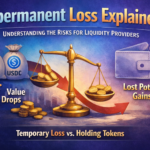
- Impermanent loss
- Smart contract vulnerabilities
- Rug pulls
- Market volatility
- High gas fees
- Stablecoin depegging
Always use reputable platforms that have undergone audits.
Is Yield Farming Worth It
Yield farming is worth considering if you understand:
- How liquidity pools work
- The risks involved
- How to secure your wallet
- How to manage volatility
Beginners should start with stablecoin pools and trusted protocols like Aave, Uniswap, or Curve.
Yield Farming vs Staking
Yield Farming
- Often involves two-token liquidity pools
- Higher rewards
- Higher risks
Staking
- Lock a single token
- Lower risk
- Predictable returns
Both methods allow passive income but yield farming typically requires more involvement.
Conclusion
Yield farming is one of the most powerful ways to earn passive income in DeFi. It enables users to deposit tokens, provide liquidity, and earn rewards automatically through smart contracts. While it offers potentially high returns, users must understand the associated risks and choose reputable platforms.
Start small, research protocols, and always secure your cryptocurrency before participating. Yield farming can be a strong opportunity when executed responsibly.
Disclaimer
This article is for educational purposes only. It is not financial, investment, legal, or tax advice. Cryptocurrency involves risks, including market volatility and smart contract vulnerabilities. Always research independently or consult a qualified expert before investing.